Blog

Your blog category

Top 10 Features to Look for in a Berberine Ingredient Supplier in 2026_zeushygia
Blog, Uncategorized

Why Sourcing the Right Berberine Supplier Matters: What Procurement Teams Need to Know in 2026

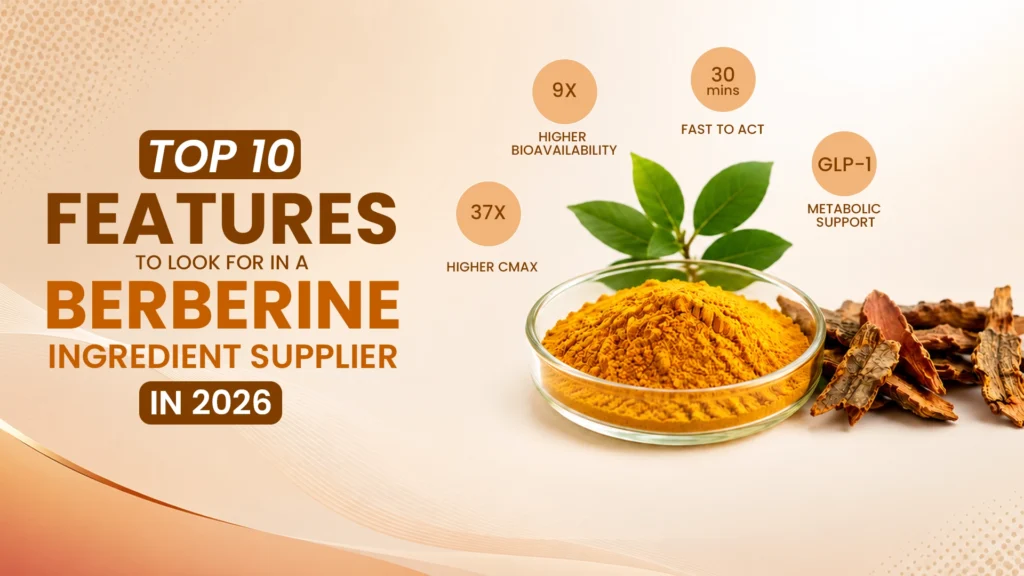
Why Sourcing the Right Berberine Ingredient Supplier Matters More Than Ever\nSourcing berberine for a new or reformulated product goes well beyond comparing price per kilogram or purity percentages. As GLP-1-adjacent and metabolic health formulations become increasingly competitive, procurement and R&D teams need a berberine supplier that can support not just raw material availability, but formulation performance, regulatory substantiation, and long-term supply reliability.\n\nThe berberine category has expanded dramatically over the past 18 months. Every major supplement brand and emerging DTC player is now evaluating berberine for metabolic health, weight management, and glucose support formulations. This rapid scaling has put real pressure on procurement teams: they’re not just sourcing an ingredient, they’re betting their product’s efficacy and brand reputation on the quality and consistency of their supplier choice.\n\nBelow are the ten criteria that matter most when evaluating a berberine manufacturer and ingredient supplier in 2026.\n 1. Ingredient Quality Standards and Traceability\nA credible berberine ingredient supplier must demonstrate documented sourcing practices across the entire supply chain, from raw botanical material through extraction and finishing. Traceability isn’t just a marketing advantage anymore; it’s table stakes for brands making claims around sustainability, organic certification, or clean-label positioning.\n\nAsk your supplier for full documentation of plant source, growing region, seasonal variation, and extraction method. Request certificates of authenticity on the botanical material itself, not just the finished extract. For brands operating in the US and EU markets, this documentation becomes critical when facing regulatory scrutiny or retailer due diligence on ingredient provenance.\n 2. Standardization, Purity, and Batch Consistency\nBerberine content must be standardized and independently verifiable through high-performance liquid chromatography (HPLC) or equivalent analytical methods. Request certificates of analysis (CoAs) for every batch your supplier produces, and confirm that their testing methodology aligns with recognized pharmacopeial standards (USP, EP, ChP).\n\nPurity alone doesn’t guarantee formulation performance, but inconsistent purity between batches absolutely guarantees formulation problems down the line. Supplement brands that experience variation in ingredient purity often discover it only after manufacturing runs, when bioavailability or efficacy differs from batch to batch. Choose a supplier whose quality control systems prevent this from happening in the first place.\n 3. Clinical Evidence and Bioavailability Data\nThe strongest berberine ingredient suppliers back their products with human clinical data, not just in vitro studies or animal models. If you’re considering a bioavailable berberine option, ask directly whether the supplier has conducted pharmacokinetic studies comparing their enhanced form to standard berberine. Is that data published, available for regulatory submission, or suitable for investor and retailer due diligence?\n\nFor a category where most competitors are still using standard, low-bioavailability berberine, access to differentiated clinical evidence is one of your most powerful competitive advantages. A supplier that can provide this data is giving you a formulation advantage that translates directly to consumer results and brand credibility.\n 4. Manufacturing Certifications and Quality Systems\nCertifications like GMP (Good Manufacturing Practice), ISO 9001, HACCP, and FSSC 22000 signal that a facility operates under consistent, auditable quality systems. For brands selling into regulated markets (US, EU, Japan, Canada), supplier certification isn’t optional—it’s often a hard requirement for retailer approval, distributor partnerships, and regulatory compliance.\n\nBeyond the logo on their website, ask to see actual third-party audit reports from the past 24 months. Request references from other brands they supply to. A supplier’s certification status is only as good as their actual adherence to those systems, which you can verify through direct communication with other customers.\n 5. Global Regulatory Compliance and Market Readiness\nA reliable nutraceutical ingredient supplier must understand regulatory status across your target markets, including US FDA guidance on dietary supplements, Novel Food authorization in the EU, KFDA requirements in Korea, and other regional frameworks. Ask directly whether the ingredient has any regulatory restrictions, pending reviews, or market-specific limitations in the regions you plan to sell into.\n\nFor berberine specifically, the regulatory landscape varies significantly by region. Some markets have stricter restrictions on botanical extracts; others have specific purity or contaminant limits. Your supplier should be able to walk you through these differences without hesitation and provide documentation of regulatory compliance for each market.\n 6. Supply Chain Reliability and Production Capacity\nBerberine demand has grown exponentially alongside the rise of GLP-1-adjacent natural formulations. Confirm your supplier has adequate production capacity to scale with your business, multiple sourcing regions if possible to mitigate geographical risk, and a documented track record of consistent lead times and on-time delivery.\n\nA bulk berberine supplier with single-source dependency or stretched production capacity carries real supply risk, especially if you’re planning to scale your product quickly. Ask about their current capacity utilization, their ability to handle 50% or 100% increases in your orders, and what their contingency plans are if primary sourcing regions face disruptions.\n 7. Comprehensive Technical Documentation and Formulation Guidance\nBeyond a basic spec sheet or certificate of analysis, look for suppliers who provide comprehensive technical dossiers. This should include: stability data under various temperature and humidity conditions, solubility profiles in different solvents, recommended dosing based on clinical evidence, compatibility with common excipients (cellulose, silica, flow agents), and guidance on formulation across different delivery formats (capsules, tablets, powders, gummies).\n\nA supplier that provides this level of technical depth is telling you they understand supplement formulation complexity and they’ve worked with enough brands to anticipate your questions. This documentation saves your R&D team time and reduces the risk of formulation surprises during manufacturing.\n 8. Custom Formulation Support and Partnership Model\nThe best berberine ingredient company partners act as an extension of your internal R&D team. They offer support for combination formulations (e.g., berberine paired with chromium, ashwagandha, or curcumin), custom dosing strategies for your specific product positioning, and pilot-batch trials before full production runs.\n\nThis level of partnership goes beyond transactional ingredient supply. It’s the difference between a vendor who ships you powder and a true ingredient partner who helps you develop a product that actually works and that you can substantiate with confidence to retailers and consumers.\n 9. Why Bioavailability Now Defines the Category\nAs we covered in detail in our post on standard versus bioavailable berberine, native berberine has oral bioavailability below 1%, according

Standard berberine vs bioavailable berberine comparison_zeushygia
Blog, Uncategorized

Standard Berberine vs. Bioavailable Berberine: Which Ingredient Should Supplement Brands Choose?

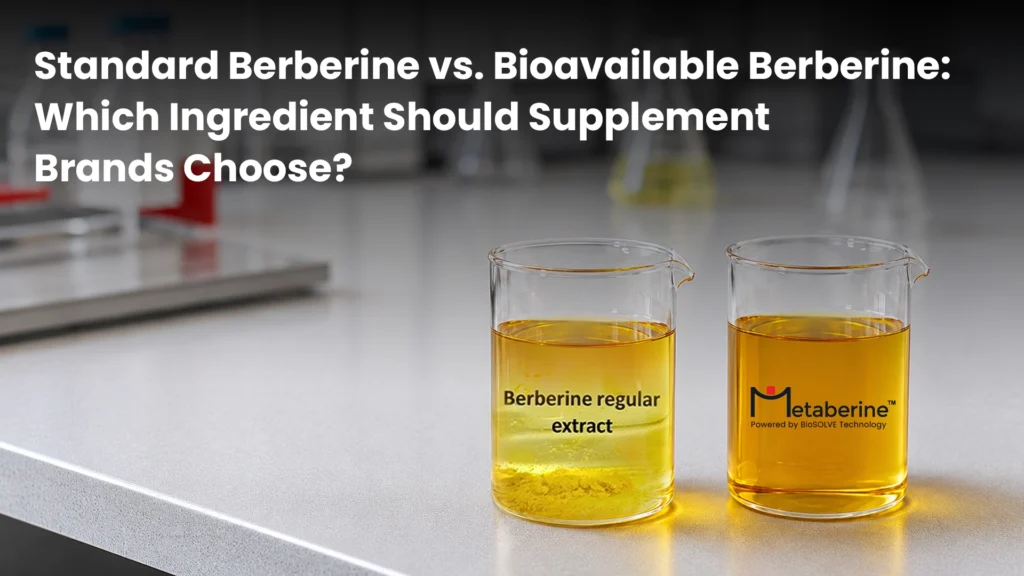
What Is Standard Berberine? Standard berberine is an isoquinoline alkaloid extracted primarily from plants such as Berberis aristata, goldenseal, and barberry. It has a long history of use in traditional medicine systems and has become one of the most researched botanical compounds for metabolic health ingredient applications, with studies examining its role in glucose metabolism, lipid balance, and cardiovascular support. For supplement brands, standard, non-enhanced berberine extract is typically standardized to a percentage of berberine hydrochloride (often 97%+) and sold as a bulk berberine powder or capsule-ready raw material. It is widely available, relatively inexpensive per kilogram, and has decades of traditional and clinical usage behind it, which is exactly why so many berberine ingredient supplier catalogs still list it as a baseline offering. But raw purity is not the same as delivered efficacy, and that distinction is where standard berberine runs into trouble. The Bioavailability Challenge Berberine’s central limitation is not its biological activity, it’s getting enough of it into the bloodstream. A frequently cited pharmacokinetic review of berberine reports oral bioavailability below 1%, driven by poor aqueous solubility, P-glycoprotein-mediated efflux in the intestine, and extensive first-pass hepatic metabolism. In practical formulation terms, this means: Clinically studied doses of standard berberine often range from 900mg to 1,500mg per day, split into multiple servings High-dose berberine is associated with a higher incidence of gastrointestinal discomfort, including cramping and diarrhea Batch-to-batch variability in raw extract quality can translate into inconsistent absorption Large per-serving dosing increases capsule size, capsule count, or powder volume, all of which hurt consumer compliance For a category as competitive as weight management ingredient and blood sugar management ingredient formulations, these friction points directly affect product reviews, repeat purchase rates, and brand credibility. Why Bioavailability Matters Bioavailability isn’t a technical footnote, it’s the variable that determines whether a berberine formulation actually works at the dose on the label. Two products can list an identical milligram amount of berberine and produce meaningfully different physiological effects if one uses standard extract and the other uses an enhanced-delivery form. For brands, this has direct commercial implications: Substantiation: Bioavailability data supports stronger, more defensible label claims Dosing efficiency: Higher bioavailability allows lower per-serving doses, reducing cost-in-use and improving format flexibility (capsules, gummies, powders) Consumer experience: Lower doses generally mean fewer gastric side effects and better compliance Differentiation: In a crowded berberine category, a documented bioavailability advantage is one of the few genuinely defensible points of difference Standard Berberine vs. Metaberine® Comparison Factor Standard Berberine Metaberine® Oral bioavailability Less than 1% (native compound) 9× greater bioavailability Peak plasma concentration Baseline 37× higher plasma concentration Absorption speed Slow, variable 8× faster absorption Typical effective daily dose 900mg–1,500mg+ 200mg Delivery technology Standardized dry extract BioSOLVE™ aqueous, plant-based delivery Gastric tolerability Higher risk at high doses Improved at lower effective dose Label claim strength Limited by absorption data Supported by pharmacokinetic differentiation What Supplement Manufacturers Should Consider When evaluating a berberine extract manufacturer or ingredient supplier, brands should look beyond percentage purity alone and ask a more complete set of questions: What pharmacokinetic or bioavailability data supports this ingredient’s absorption claims? What is the clinically effective dose, and how does that compare to competitor formulations? Is the delivery technology proprietary, patentable, or otherwise defensible for marketing purposes? Does the supplier provide technical documentation suitable for regulatory and label substantiation? Can the ingredient support GLP-1-adjacent, insulin sensitivity, or PCOS-related product positioning with credible science? For brands building next-generation formulations in the GLP-1 support ingredient and metabolic health space, the choice increasingly comes down to standard, high-dose berberine versus a bioavailable alternative engineered for real-world performance. Metaberine® was developed specifically to close that gap, offering supplement manufacturers a standardized berberine extract alternative with pharmacokinetic data to back it up. Explore our full breakdown of GLP-1 and Metaberine®, or reach out to our team for technical data sheets and formulation support.

Bioavailable Berberine and GLP-1 metabolic support ingredient_Zeushygia
Blog, Uncategorized

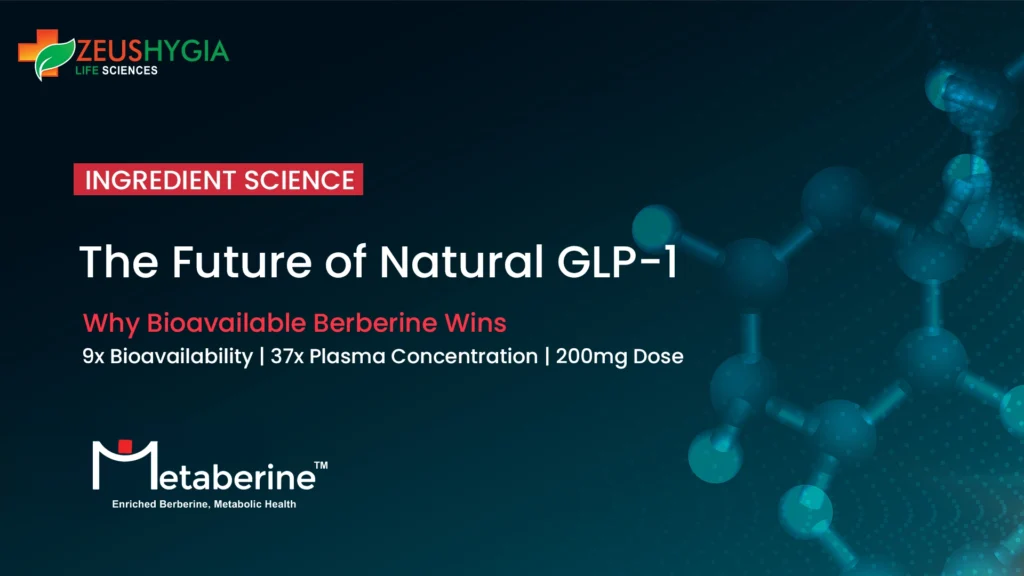
The Future of Natural GLP-1: Why Bioavailable Berberine Is Becoming the Ingredient of Choice

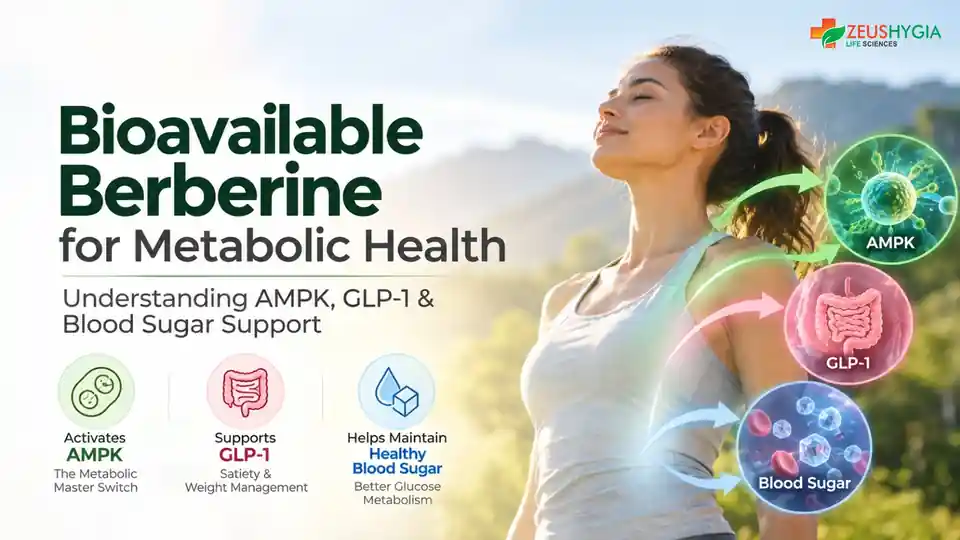
Why GLP-1 Is Reshaping the Supplement Industry\nGLP-1 has become one of the most talked-about mechanisms in metabolic health, and that conversation has moved well beyond pharmaceuticals. Supplement brands, formulators, and ingredient buyers are now actively searching for a natural GLP-1 ingredient that can support appetite regulation, glucose metabolism, and sustainable weight management without a prescription.\n\nThis shift is creating strong demand for GLP-1 support ingredients that work through the body’s own metabolic pathways. Consumers who are curious about GLP-1 biology but not ready for (or not candidates for) pharmaceutical intervention are actively seeking natural alternatives to GLP-1 medications, and brands are racing to formulate around this demand with credible, science-backed ingredients.\n\nFor ingredient suppliers and manufacturers, this represents a significant opportunity: the brands that win in this category will be the ones that can back their formulations with real bioavailability data, not just marketing claims.\n The Role of Berberine in Metabolic Health\nBerberine has one of the deepest research bases of any botanical compound used in metabolic health ingredient formulations. It has been studied for its effects on glucose metabolism, insulin sensitivity, and lipid balance, and is increasingly positioned alongside GLP-1 pathway science as a nutraceutical option for blood sugar support.\n\nMechanistically, berberine activates AMPK (AMP-activated protein kinase), a cellular energy sensor that plays a central role in glucose uptake and fat metabolism. This dual mechanism for metabolic flexibility is part of why berberine is frequently discussed as a GLP-1 nutraceutical option: its downstream metabolic effects overlap meaningfully with the appetite and glucose-regulating benefits associated with GLP-1 activity, without requiring injectable delivery.\n\nFor formulators building GLP-1 supplement ingredient stacks, berberine’s multi-pathway activity makes it a natural anchor ingredient, provided the bioavailability challenge is solved.\n Why Standard Berberine Falls Short\nDespite the research interest, standard berberine has a well-documented limitation: poor oral bioavailability. Studies on berberine pharmacokinetics report absorption rates below 1%, largely due to poor solubility, efflux by intestinal transporters, and rapid first-pass metabolism. A widely cited review of berberine bioavailability and pharmacokinetics outlines these absorption barriers in detail.\n\nIn practice, this means standard berberine formulations often require multi-gram daily doses split across several servings to achieve a clinically meaningful effect, which creates real problems for supplement brands:\n \n \t Large capsule counts hurt compliance and consumer experience\n \t High doses increase the likelihood of gastric discomfort\n \t Inconsistent absorption makes label claims harder to substantiate\n \t Higher raw material usage per serving increases formulation cost\n\nFor a berberine ingredient supplier or brand trying to build a credible clean-label weight loss product, these limitations are disqualifying in a market that increasingly expects clinical substantiation.\n How Bioavailable Berberine Improves Performance\nThis is where bioavailable berberine technology changes the equation. Enhanced-delivery berberine extracts are engineered specifically to overcome the solubility and absorption barriers of the native compound, using techniques such as aqueous plant-based encapsulation, particle size reduction, or co-formulation with absorption enhancers.\n\nThe result is a berberine ingredient that can deliver a clinically relevant dose at a fraction of the milligram weight, translating into:\n \n \t Higher plasma concentrations of active berberine\n \t Faster onset of metabolic activity\n \t Lower effective daily dose, improving compliance\n \t Reduced gastric side effects associated with high-dose standard berberine\n\nFor brands formulating around insulin sensitivity ingredient or weight management ingredient claims, this bioavailability advantage is often the difference between a product that performs in the real world and one that only performs on paper.\n Why Metaberine™ Is Designed for Modern GLP-1 Formulations\nMetaberine™ was developed by Zeus Hygia specifically to solve the bioavailability problem that has limited standard berberine for decades. Using our proprietary BioSOLVE™ technology, a clean-label, aqueous, plant-based delivery system, Metaberine™ achieves substantially higher plasma concentrations of berberine at a fraction of the conventional dose.\n\nKey differentiators for formulators evaluating a Metaberine™ bioavailable berberine ingredient include:\n \n \t 37× higher plasma concentration compared to standard berberine\n \t 9× greater bioavailability for improved glucose metabolism support\n \t 8× faster absorption, supporting quicker metabolic action\n \t Effective at just 200 mg\/day, versus multi-gram doses of standard berberine\n \t Natural support for GLP-1 pathway activity, AMPK activation, and mitochondrial health\n\n\nFor sustainable weight management and longevity-focused formulations, Metaberine™ supports metabolic resilience and improved energy efficiency at the cellular level.\n\nAs the natural GLP-1 category matures, ingredient suppliers who can offer both scientific credibility and formulation practicality will define the next generation of metabolic health products. Metaberine™ is built for exactly that role, giving supplement brands a Metaberine™ GLP-1 ingredient story backed by real pharmacokinetic data rather than category hype.\n\nWant to optimize your own recovery and endurance? Explore athletic hydration strategies paired with metabolic support for peak performance.\n\nReady to formulate with bioavailable berberine? Contact Zeus Hygia to request technical documentation and samples for Metaberine™, or explore our full ingredients portfolio.

Blog

Why Probiotics + Gevalin™ Is a Pioneering Supplement Formula

Combining probiotics(live bacteria) with Aegle marmelos (Bael fruit) extract is a major advancement over standard probiotic supplements, because the two work synergistically to address gut health from different angles for supporting microbiome-friendly supplementation and therapeutic-grade probiotic formulas: Regular bowel function. Microbiome balance. Intestinal comfort. When Gevalin™’s gentle and balancing nature aligns perfectly with probiotics, it turns into a pioneering supplement formula as it offers long term gut health wellness, comfort, and consistency. This makes it an ideal nutraceutical ingredient for next generation digestive supplements. What Makes Gevalin™ ( Clinically Validated Aegle Marmelos) Exceptional? Aegle marmelos (Bael) has been used for over 5,000 years in Indian Ayurvedic medicine and contains a rich array of bioactive compounds including alkaloids, coumarins, tannins, flavonoids, and terpenoids. PubMed Central These compounds account for its remarkable health and wellness properties — antibacterial, anti-inflammatory, antioxidant, antidiabetic, antidiarrheal, anticancer, and antiulcer activity. ScienceDirect Gevalin™, a proprietary clinically validated brand ingredient being standardized to two strong and powerful active compounds gallotannic acid and marmelosin that provides different benefits like promoting digestive wellness, supporting gut health, and regulating excess stomach acid. One can gain these benefits by taking Gevalin™ at just 250 mg per day, which is validated by a 84 subject Human clinical trial. Gevalin™ is a clean label plant based nutraceutical ingredient which is completely water soluble that brings ancient wisdom into modern health era making it truly an exceptional digest wellness & Gut care ingredient. Why the Combination Is Pioneering Gevalin™ Acts as a Prebiotic — Feeding the Probiotics. Gevalin™ contains more than 20% w/w fibers and Prebiotic fibres in marmelos fruit have been reported to encourage the development of good gut microbiota PubMed Central, meaning Bael essentially feeds and sustains the probiotic bacteria, giving them a survival advantage in the gut without disturbing the intestinal equilibrium. Fermentation Unlocks More Bioactive Power HPLC analysis of fresh versus probiotic-fermented Marmelos juice shown an increase in potential bioactive compounds compared to its unfermented counterpart Wiley Online Library — meaning the probiotics enhances the potency of Bael’s extract own compounds during fermentation. It Directly Repairs the Gut Lining marmelos extract upregulated Muc2 and ZO-1 proteins and preserved goblet cells in the colon, representing barrier-protective properties against colon damage and inflammatory response. ScienceDirect The gut lining repair is achieved when probiotics is combined with Gevalin™ because probiotics alone cannot acquire it. It Rebalances the Microbiome at the Species Level marmelos extract elevates the relative abundance of beneficial Lactobacillus and Blautia while decreasing harmful Escherichia-Shigella, Clostridium sensu stricto 1, and Romboutsia in the gut microbiota. ScienceDirect It Powerfully Reduces Gut InflammationIn a mouse model of ulcerative colitis, treatment with probiotic-fermented marmelos juice shown improvement in body weight, reduced disease activity index, mitigated colon damage, decreased inflammatory biomarkers, and increased antioxidant activity. PubMed Central It Fights Gut Pathogens DirectlyEthanolic extract of marmelos was tested against gut pathogens like Shigella dysenteriae, S. boydii, S. flexneri, and S. Sonnei. It has shown a meaningful antimicrobial activity PubMed Central — actively fighting the bad bacteria that probiotics alone may struggle to displace. The Synergy Summary What Probiotics Do What Gevalin™ ( Aegle Marmelos) Adds Add beneficial bacteria Feeds & sustains them (prebiotic effect) Modulate immunity Repairs gut lining (ZO-1, Muc2, goblet cells) Reduce some inflammation Potent anti-inflammatory via marmelosin & coumarins Displace some pathogens Directly kills gut pathogens (antimicrobial) Support digestion Enhances bioactive compounds through fermentation This is what makes the combination of Gevalin™ and probiotics pioneering — probiotic-fermented A. Marmelos juice serves as an effective and natural therapeutic strategy offering both anti-inflammatory and antioxidant benefits Wiley Online Library, tackling gut health wellness at a level where no single probiotic supplement can match. For comprehensive metabolic support, consider pairing Gevalin™ with metabolic health solutions for gut-brain axis support and whole-body wellness. Additionally, stress management through adaptogenic herbs can further enhance digestive function. There are marketed products containing Gevalin™ plus FOS Beverages (Quenzy) and Gevalin™ plus probiotics ( oral powder sachets ) in APAC markets which further underlines the synergestic benefits of the unique composition. Referred from https://orientalheritageherbalists.com/aegle-marmelos-in-gut-friendly-supplement-design/ https://genmag.com/article/gevalin-the-bael-fruit-extract-thats-raising-the-standard-for-digestive-relief/

Blog

The Best Guide on How to Stay Hydrated During Workouts

Introduction: If you are an athlete or working out at the gym, hydration is essential while exercising. As our body consists of 60% water, we lose a significant amount while exercising in sweat form. If this doesn’t get restored, it leads to dehydration. When you get dehydrated, you are at a higher risk of facing serious complications like heart disease, severe headaches, and heat stroke. For better muscle function, endurance, and muscle recovery, it is important to stay hydrated during workouts. According to the American College of Sports Medicine’s position stand on exercise and fluid replacement, proper hydration before, during, and after exercise is essential for optimal performance and safety. When it comes to muscle recovery, your body doesn’t only require fluids like milk, fruit juices, soft drinks, tea, and coffee, but also nutritional support, along with adequate protein intake (see our guide on plant-based proteins for athletes). This is the point where a scientifically proven Nutraceutical Product Manufacturer product named Gremin comes into action. So, a question pops into your mind about how to stay hydrated, it’s simple: you need to know whether you are drinking the right fluid or not to stay healthy. But it’s necessary to know the tips to stay hydrated, like how much fluid is needed to remain healthier, when it is required to change the intake of the fluid, and what type of drinks are better for staying hydrated. In this blog, we will discuss here that why it is essential to stay hydrated while working out and how much you need to drink to stay hydrated during workouts. Why is it important to stay hydrated while working out? When you stay hydrated, it provides you with various advantages during intense physical exercise. It will enhance your muscle performance, lower your heart rate and body temperature. While you are doing intensive workouts, you might lose 2.5 L of sweat, and this will lead you to lose excess amounts of water from your body. So, it is crucial to stay hydrated, but you need to know how to stay hydrated during exercise. You can learn from these strategies and by following some tips to stay hydrated – Planning your exercise sessions – The environment in which you are working out influences the sweat production. In high-altitude, humid, and hot environments, you sweat more. So, if you do an intense workout, make sure to exercise in less humidity and heat. If not, you can’t stay hydrated during workouts and may get dehydrated. Wearing light-coloured, breathable clothes, may help in regulating body temperature and reduce sweat production. When you need to know how to stay hydrated, making a plan about your workout sessions is important to stay hydrated and avoid getting fatigued. Drink the fluids before, during, and after intense workouts – It’s important to stay hydrated before, during, and after your exercise sessions. Make sure to drink a glass of water before you begin to exercise and while you are working out, drink water for every 15 to 20 minutes, based on the workout duration, intensity and the environment. After exercise, drink more water over the next 3 hours. You can combine your protein powder with Gremin™, a clinically backed, scientifically proven formula manufactured by the top nutraceutical manufacturer in India Drink this as per your need to stay hydrated while working out and eliminate fatigue. Make sure not to drink alcoholic beverages or soft drinks – To stay hydrated during workouts, you have to drink fluids, but what type of fluid you need to take is more important. Avoid drinking any alcoholic beverages, soft drinks and tea, before, during and after workouts and intense activities, as these fluids can cause dehydration and may have ill effects on your health. Drinking water is the most preferred and effective way to stay hydrated. But, if you need nutritional support, Ingredient- Gremin™ can be added to water. It enhances your stamina, endurance, and everyday energy levels, offering adequate hydration. Learning how to recognise the occurrence of dehydration and how you can take action for proper hydration. Sometimes, even while following suggestions for better hydration, you might still become dehydrated on doing strenuous working out in hot weather. You might experience fatigue, dizziness, dry mouth, muscle cramps, and headaches, indicating dehydration. At that point, immediately stop doing exercise, move to cool shades and drink fluids. You can recognise if you are hydrated or not by assessing your urine colour. If your urine colour is clear to pale yellow, then you are hydrated. If your urine is darker then you are highly dehydrated. Your vital functions work if your habits of staying hydrated every day are good. So, ensure to drink 2l or 3l of water a day based on your age and weight. Let’s go through some tips to stay hydrated for your health during workouts. Instead of drinking water, only when you feel thirsty, sip some water at certain intervals, like every 1 -2 hours. If you feel drinking plain water is boring, add any nutrient rich herbal extracts or supplements from nutraceutical product manufacturers or a splash of fruit juices. When it is too hot outside, consider following your exercise routine in the evening or at indoors. Consume water-rich fruits and vegetables. Thus, these are some tips to stay hydrated that will help you stay hydrated while working out. What should I drink during exercise? Water – Everyone knows that water is the most advisable drink to intake to stay hydrated while working out, for shorter exercise sessions. Endurance and Performance Ingredient like Gremin™- If you are training for gaining endurance and stamina to participate in an event like a marathon, then hydrate yourself, with Nutraceutical Ingredient – Gremin™, manufactured by the top-notch herbal extracts manufacturer in India. Addition of Gremin™, helps in provision of optimum nutrients, reduces inflammation, and keeps you fit and healthy. This innovative, patented nutraceutical ingredient having the best herbal extracts by Nutraceutical Product Manufacturer- helps in managing your energy levels as

Blog

Top 7 Pomegranate Benefits for Skin Health

Introduction Pomegranates have been celebrated for centuries, not just for their delicious flavor but also for their impressive health benefits, particularly when it comes to skin care. The pomegranate benefits for skin are vast, making this fruit a natural choice for achieving a radiant and youthful complexion. Rich in antioxidants, vitamins, and essential nutrients, pomegranates can effectively enhance your skin’s health. Whether you’re looking to boost hydration, reduce signs of aging, or tackle acne, the pomegranate benefits for skin are undeniable. In this blog, we will explore the top seven reasons why incorporating pomegranates into your skincare routine is a must, and how these pomegranate benefits for skin can transform your complexion into a glowing masterpiece. 1. Rich in Antioxidants for Skin Protection One of the top pomegranate benefits for skin is its high concentration of antioxidants. These antioxidants, particularly polyphenols, work to neutralize harmful free radicals that damage skin cells and accelerate the aging process. Research published in peer-reviewed dermatology literature supports pomegranate polyphenols’ role in fighting oxidative stress, helping protect skin from environmental aggressors, preserving elasticity, and reducing the appearance of fine lines. This not only keeps your skin firm and youthful but also adds a healthy glow to your complexion, making the pomegranate benefits for skin more than just surface-level. 2. Deep Hydration for Softer Skin Among the many pomegranate benefits for skin is its ability to deeply hydrate. Pomegranates contain high levels of water and natural sugars, which help improve your skin’s moisture retention, reducing dryness and flakiness. By strengthening the skin’s barrier and enhancing hydration, pomegranates provide long-lasting softness. Whether you’re using pomegranate-infused creams or consuming the fruit directly, you can experience these pomegranate benefits for skin, leaving your skin feeling soft and supple all day long. 3. Anti-Inflammatory Power for Irritated Skin Inflammation is a major cause of many skin issues such as acne, eczema, and redness. The anti-inflammatory properties of pomegranates are another significant pomegranate benefit for skin. Compounds like ellagic acid and punicalagin help soothe irritation, reduce redness, and promote an even skin tone. Regularly incorporating pomegranate-based products into your skincare routine can provide relief from skin irritations and enhance overall skin health. 4. Enhances Collagen Production for Firm, Youthful Skin A critical pomegranate benefit for skin is its ability to boost collagen production. Collagen is essential for maintaining skin structure and firmness, but it naturally decreases as we age. The vitamin C and other nutrients in pomegranates stimulate collagen synthesis, helping to firm and plump the skin. As a result, pomegranates can significantly reduce the appearance of fine lines and wrinkles, making the pomegranate benefits for skin an excellent natural anti-aging solution. Our guide on under eye wrinkles explores this anti-aging effect in more depth. 5. Gentle Natural Exfoliation for a Brighter Complexion Pomegranates provide gentle exfoliation, which is another key pomegranate benefit for skin. The fruit contains natural enzymes that remove dead skin cells, improving skin texture and brightness. This process promotes the regeneration of new skin cells, allowing for a smoother and more even complexion. Incorporating pomegranate scrubs or masks into your skincare routine is a fantastic way to experience this pomegranate benefit for skin, revealing brighter and fresher-looking skin. 6. Reduces Hyperpigmentation for an Even Skin Tone Dark spots, hyperpigmentation, and uneven skin tone can be frustrating to deal with, but the pomegranate benefits for skin include the ability to reduce these concerns. The antioxidants in pomegranates inhibit melanin production, lightening dark spots and creating a more uniform skin tone. Using pomegranate-based serums or masks can enhance these pomegranate benefits for skin, providing you with a clearer and more even complexion over time. 7. Fights Acne and Blemishes For those prone to acne, one of the standout pomegranate benefits for skin is its antibacterial and antimicrobial properties. These compounds help combat acne-causing bacteria and reduce breakouts. Additionally, the fruit’s anti-inflammatory properties help calm active acne and promote quicker healing of blemishes. Regularly incorporating pomegranates into your skincare routine, either through products or your diet, can make these pomegranate benefits for skin work wonders for keeping your complexion clear and blemish-free. Conclusion The pomegranate benefits for skin are truly remarkable, offering a natural solution for a wide range of skin concerns. Whether you’re looking to boost hydration, fight acne, or prevent the signs of aging, pomegranates can deliver transformative results. With their powerful antioxidants, anti-inflammatory properties, and ability to promote collagen production, the pomegranate benefits for skin cannot be overstated. Incorporating this superfood into both your diet and skincare routine will leave your skin glowing, youthful, and healthier than ever. At Zeus Hygia, we harness these benefits with our pomegranate ingredient, Grantria®, for maximum effectiveness. So, embrace the pomegranate benefits for skin today, and enjoy the journey to a more vibrant, radiant complexion!

Blog

How AI Is Revolutionizing the Nutraceutical Industry

The nutraceutical industry is undergoing a profound transformation, and at the heart of this evolution is Artificial Intelligence (AI). What was once a traditional sector centered on herbal remedies and general supplements has rapidly shifted toward data-driven precision, personalized nutrition, and scientifically validated formulations. Today, AI in nutraceuticals is redefining how products are researched, developed, manufactured, and delivered to consumers.\n\nAs a leading nutraceutical industry innovator in India, Zeus Hygia Lifescience represents this new wave of technology-powered health solutions, combining advanced research with intelligent formulation strategies through our proprietary platform technologies.\n AI-Driven Innovation in Nutraceutical R&D\nArtificial Intelligence accelerates product development by analyzing massive volumes of clinical studies, biochemical research, and consumer health data. Instead of relying solely on traditional trial-and-error methods, AI algorithms predict ingredient synergy, optimize dosages, and improve bioavailability.\n\nFor example, compounds such as curcumin, widely recognized for antioxidant and anti-inflammatory benefits, can be studied more effectively using AI models that evaluate absorption rates and formulation enhancements. Zeus Hygia’s own BioSOLVE™ Curcumin™ is an example of this science-driven approach, using proprietary technology to improve bioavailability and metabolic response.\n\nIn a competitive global nutraceutical market, this data-driven approach shortens research cycles while increasing scientific accuracy. It allows companies to develop high-performance supplements that support metabolic health, immunity, gut health, and cognitive wellness.\n Personalized Nutrition and Metabolic Health\nOne of the most impactful contributions of AI is personalized nutrition. Consumers today are seeking customized wellness solutions rather than generic supplements. AI systems analyze lifestyle data, dietary patterns, wearable device inputs, and health goals to recommend targeted nutraceutical formulations.\n\nFor individuals focusing on metabolic health, AI can help design supplements that support energy balance, glucose metabolism, and weight management, an approach reflected in ingredients like Metaberine™, our bioavailable berberine ingredient for metabolic support. This level of personalization improves outcomes and builds long-term consumer trust.\n\nZeus Hygia Lifescience aligns with this shift by emphasizing precision-based nutraceutical development, ensuring products are formulated to meet evolving health demands.\n Smart Manufacturing and Quality Assurance\nAI is also transforming manufacturing and quality control within the nutraceutical industry in India. Predictive analytics monitor raw material sourcing, detect inconsistencies, and maintain batch-to-batch uniformity. Automated systems enhance capsule filling accuracy, reduce waste, and ensure regulatory compliance.\n\nThis intelligent manufacturing ecosystem supports higher purity standards and consistent potency, essential for brands aiming to establish global credibility.\n\nFor companies like Zeus Hygia Lifescience, integrating advanced technology strengthens their position as a reliable partner in the global nutraceutical industry.\n Market Intelligence and Global Competitiveness\nAI-powered analytics tools track consumer trends, search behavior, and emerging health concerns. Whether it is rising demand for plant-based supplements, bioavailable curcumin, or metabolic health support formulas, AI helps brands anticipate shifts before they peak.\n\nIndia’s nutraceutical sector is among the fastest-growing worldwide, driven by preventive healthcare awareness and increasing demand for functional ingredients. Companies that adopt AI gain a strategic advantage by launching trend-aligned, science-backed products faster than competitors.\n\nZeus Hygia Lifescience leverages innovation, research, and technology to contribute to this growth, reinforcing its presence as a leading nutraceutical company in India. Explore our full ingredients portfolio to see how these principles apply across our branded ingredient lines.\n The Future of AI in the Nutraceutical Industry\nArtificial Intelligence is no longer a futuristic concept; it is a core driver of transformation. From ingredient discovery and formulation optimization to personalized nutrition and smart supply chains, AI enhances efficiency, safety, and effectiveness.\n\nAs preventive healthcare becomes a global priority, the combination of advanced science, intelligent systems, and premium ingredients will define the next era of nutraceutical innovation.\n\nBy embracing AI-driven development and focusing on metabolic health, curcumin formulations, and precision nutrition, Zeus Hygia Lifescience is positioned to shape the future of the nutraceutical industry in India and beyond.

Ashwagandha Extract
Blog

Ashwagandha Extract Benefits for Stress, Energy & Hormonal Balance

In today’s fast-paced lifestyle, stress, fatigue, and hormonal imbalance have become common health concerns. Consumers are increasingly turning to natural and science-backed solutions to support mental calm, energy levels, and overall well-being. Among herbal ingredients, ashwagandha extract stands out as one of the most researched and trusted adaptogens in modern nutraceutical formulations. Rooted in traditional wellness systems and supported by scientific studies, ashwagandha continues to gain global popularity as a key ingredient for stress management, adaptagenic resilience, and holistic health. A randomized, double-blind, placebo-controlled study published in the Indian Journal of Psychological Medicine found that high-concentration full-spectrum ashwagandha root extract significantly reduced stress and cortisol levels compared to placebo. What Is Ashwagandha Extract? Ashwagandha extract, derived from the roots of Withania somnifera, is a standardized herbal ingredient widely used in dietary supplements. The extract is rich in bioactive compounds known as withanolides, which are responsible for its adaptogenic and health-supporting properties. Standardized ashwagandha root extract offers consistent potency, better absorption, and reliable performance, making it a preferred choice over raw powders for nutraceutical applications. Key Benefits of Ashwagandha Extract Supports Stress Management Ashwagandha is best known for its ability to help the body manage stress and support cortisol optimization without suppression. It supports healthy cortisol levels, which play a key role in stress response and overall balance. Promotes Mental Calm and Focus Ashwagandha extract may help reduce mental fatigue, promote calmness, and support cognitive stress protection and clarity, making it ideal for individuals facing daily stress or workload pressure. It’s also increasingly paired with performance ingredients like Gremin™ in workout formulations, see our guide on plant-based proteins for athletes for more. Supports Energy and Vitality Unlike stimulants, ashwagandha supports sustained energy and vitality by improving the body’s stress resilience and metabolic balance. Supports Hormonal Balance Ashwagandha extract is widely used to support HPA axis support and hormonal health and overall endocrine function, especially in stress-related imbalance conditions. Uses of Ashwagandha Extract in Nutraceuticals Due to its wide range of benefits, ashwagandha extract is commonly used in: Stress relief and relaxation supplements Energy and vitality formulations Adaptogen and nootropic blends Sleep and recovery support products General wellness and immunity formulas Its natural origin and clean-label appeal make it suitable for long-term wellness supplementation. Ashwagandha Extract Standardization and Dosage Most high-quality nutraceutical formulations use standardized ashwagandha extract containing 5-10% withanolides. Standardization ensures consistent efficacy, safety, and regulatory compliance across batches. Why Ashwagandha Extract Matters Today Modern lifestyles often expose individuals to chronic stress, poor sleep quality, and reduced energy levels. Ashwagandha extract addresses these challenges by: Supporting stress adaptation and emotional resilience Promoting mental and physical balance Offering a natural alternative to synthetic solutions Aligning with clean-label and plant-based trends This makes it one of the fastest-growing herbal ingredients in the global nutraceutical market. Zeus Hygia’s Expertise in Ashwagandha Extract At Zeus Hygia, we specialize in high-quality, standardized ashwagandha root extract for nutraceutical and dietary supplement manufacturers. As a nutraceutical ingredients manufacturer in India, Zeus Hygia focuses on purity, traceability, and science-driven extraction processes. Our branded ashwagandha ingredient solutions are developed to meet global quality standards and support reliable, market-ready formulations. Explore our full herbal extracts and specialty ingredients lines for related botanical solutions. Learn more about integrating ashwagandha with metabolic health in our metabolic wellness guide. Final Thoughts Ashwagandha extract remains one of the most relevant and trusted herbal ingredients for stress management, energy support, and overall wellness. Its proven adaptogenic benefits and growing consumer acceptance make it a cornerstone ingredient in modern nutraceutical innovation. With expert sourcing and formulation support from Zeus Hygia, brands can confidently develop effective, science-backed ashwagandha-based health products.

Marigold Extract Lutein
Blog

Benefits, Uses & Why It’s the Best Natural Source for Eye Health

Introduction With increasing screen exposure and digital eye strain from blue light protection needs, eye health supplements are in high demand across global markets. Among the most trusted ingredients, marigold extract lutein stands out as the leading natural source of lutein and zeaxanthin, two essential carotenoids known for supporting long-term vision, macular health, and retinal protection. At Zeus Hygia, we specialize in branded nutraceutical manufacturing ingredients in India, delivering science-backed, high-purity solutions for eye health formulations worldwide. Our carotenoid ingredient, Carotex™, is developed to meet global quality standards for nutraceutical and dietary supplement brands. What Is Marigold Extract Lutein? Marigold extract lutein is a plant-based carotenoid ingredient derived from the flowers of Tagetes erecta. Unlike synthetic alternatives, marigold flowers naturally contain high concentrations of lutein and zeaxanthin, making them the preferred source for premium, clean-label eye health supplements. As a trusted nutraceutical ingredient manufacturer in India, Zeus Hygia produces marigold-derived lutein through its Carotex™ ingredient line, with strict quality controls that ensure consistency, safety, and bioavailability for global formulations. Why Is Lutein Extracted from Marigold Flowers? Marigold flowers are the most efficient and sustainable source of natural lutein due to their high carotenoid content and excellent bioavailability. Research summarized by the NIH Office of Dietary Supplements notes that dietary carotenoids such as lutein and zeaxanthin accumulate in the retina and are associated with the maintenance of healthy vision and retinal aging prevention. Key advantages include: Higher purity and stability Better absorption in the human body Safe, plant-based and non-GMO origin These benefits make marigold flower extract lutein superior to synthetic or chemically produced lutein, especially for branded nutraceutical ingredients targeting eye health. Key Benefits of Marigold Extract Lutein Supports Eye Health Lutein concentrates in the macula of the eye, helping maintain visual sharpness and overall photopic and scotopic vision support quality. Protects Against Blue Light Marigold-derived lutein acts as a blue light filter for digital eyes, reducing eye strain caused by prolonged screen exposure and supporting screen time recovery protocol. Helps Prevent Age-Related Eye Issues Scientific studies suggest that lutein and zeaxanthin may help reduce the risk of age-related macular degeneration and cataracts, supporting clinical eye health biomarkers. Powerful Antioxidant Support Lutein neutralizes free radicals that cause oxidative stress in eye tissues, supporting long-term ocular health and macular pigment optical density (MPOD) boost. Lutein & Zeaxanthin: A Powerful Combination Marigold extract naturally delivers both lutein and zeaxanthin, which work synergistically to: Improve visual performance Enhance contrast sensitivity Support long-term retinal health This natural synergy is why most premium eye health supplements and branded nutraceutical formulations rely on marigold extract as their primary carotenoid source. Zeus Hygia’s Carotex™ is formulated to deliver this synergy in a clean-label, bioavailable format for supplement manufacturers. For comprehensive skin and eye health, explore how pomegranate antioxidants complement lutein for total body wellness. Natural vs Synthetic Lutein: Which Is Better? Natural (Marigold Extract) Synthetic Lutein Plant-based & safe Chemically produced Better bioavailability Lower absorption Preferred for nutraceuticals Less trusted by consumers Winner: Marigold extract lutein Why Marigold Extract Lutein Is in High Demand Rising digital eye strain and screen exposure Growing aging population Increased demand for clean-label, plant-based ingredients Rapid growth of the nutraceutical and dietary supplement market Preference for branded nutraceutical manufacturing ingredients in India Final Thoughts If you are looking for a clinically trusted, plant-based, and high-quality eye health ingredient, marigold extract lutein remains the gold standard. Backed by science and nature, it is the most reliable natural source of lutein and zeaxanthin for advanced eye wellness formulations. With Zeus Hygia’s expertise in branded nutraceutical ingredients, manufacturers can confidently develop eye health solutions that meet global quality, safety, and performance expectations through our Carotex™ ingredient line. Explore our full ingredients portfolio to learn more about our carotenoid and antioxidant solutions.

GLP - 1, Weight Management
Blog

GLP-1 and Metaberine®: The Science of Smart, Sustainable Weight Management

Introduction Managing weight effectively is more than just a calorie equation, it’s about understanding how our hormones, metabolism, and energy systems interact. In today’s evolving wellness landscape, sustainable weight loss, metabolic health, and blood sugar balance are deeply interconnected. At Zeus Hygia, we bring science and nature together to redefine wellness. Our approach merges two powerful solutions, GLP-1 pathway activation for weight loss and Metaberine™, a next-generation berberine extract, to help the body achieve sustainable metabolic balance, healthy glucose metabolism, and long-term weight management. Because when it comes to long-term wellness, Efficacy Matters. Understanding GLP-1: Nature’s Appetite Regulator GLP-1 (Glucagon-Like Peptide-1) is a hormone released in the gut after eating. According to a physiology review in Frontiers in Endocrinology, it plays a key role in managing hunger, digestion, and blood sugar control in diabetes and metabolic disorders. GLP-1 receptor agonists (GLP-1 RAs), widely studied for weight loss and type 2 diabetes management, mimic this hormone’s natural function, helping to: Reduce appetite and food cravings Enhance satiety for healthy weight loss Slow gastric emptying to improve digestion and post-meal blood glucose control Support insulin sensitivity, metabolic health, and cardiovascular wellness By targeting the body’s natural appetite and metabolic pathways, GLP-1 therapy for weight loss and diabetes creates a scientific foundation for effective and lasting weight management. Zeus Hygia: Introducing Metaberine™ While GLP-1 therapies work through hormonal signaling, Zeus Hygia’s Metaberine™ supports similar metabolic benefits through a natural nutraceutical approach for blood sugar management and weight control, offering a holistic solution for metabolic syndrome and insulin resistance. What Is Metaberine™? Metaberine™ is a next-generation berberine extract developed using Zeus Hygia’s proprietary BioSOLVE™ technology, a clean-label, aqueous, plant-based encapsulation process that significantly enhances absorption, solubility, and berberine bioavailability for diabetes and weight management support. Traditional berberine suffers from poor absorption, a limitation well documented in pharmacokinetic literature such as this review on berberine bioavailability, and often requires high doses that may cause gastric discomfort, limiting its effectiveness for blood sugar regulation and cholesterol management. Metaberine™ overcomes these challenges with: 37× higher plasma concentration of berberine 9× greater bioavailability for improved glucose metabolism 8× faster absorption, supporting quicker metabolic action A daily dose of just 200 mg of Metaberine™ delivers powerful metabolic benefits, safely, naturally, and efficiently. How Metaberine™ Supports the GLP-1 Pathway Metaberine™ activates multiple metabolic processes that naturally enhance GLP-1 activity, making it a powerful nutraceutical option for weight loss, diabetes management, and insulin sensitivity. Key mechanisms include: Natural stimulation of the GLP-1 pathway, supporting appetite control and glucose regulation Activation of AMPK enzyme, improving fat metabolism and energy balance Enhanced insulin sensitivity, supporting better blood sugar control Improved lipid metabolism, aiding healthy cholesterol and triglyceride levels Support for cardiovascular health and metabolic resilience Together, GLP-1 support and Metaberine™ supplementation create a dual-action synergy for healthy weight loss, metabolic wellness, and diabetes-friendly nutrition. For athletic performance, this also means better energy efficiency and recovery. Combine with strategic hydration and plant-based protein support for complete metabolic optimization. The Science Behind BioSOLVE™ Technology Zeus Hygia’s proprietary BioSOLVE™ technology uses a plant-based, aqueous delivery system that improves solubility and protects active compounds from degradation. This ensures more active berberine reaches the bloodstream, delivering clinically relevant blood sugar support and metabolic benefits faster and more efficiently. The same platform has enhanced absorption in compounds like curcumin, reinforcing Zeus Hygia’s leadership in bioavailable nutraceutical ingredients for metabolic health. Key Benefits of Metaberine™ Superior absorption & faster action (9× bioavailability) Lower dose, better comfort, effective at 200 mg/day Supports GLP-1 pathway activation and sustainable weight loss Helps maintain healthy blood sugar levels and insulin balance Supports cholesterol management and cardiovascular health Clean-label, plant-based, and scientifically validated Metaberine™ represents the next evolution in berberine for weight loss and diabetes support, optimized by science and supported by metabolic flexibility research. Integrating GLP-1 and Metaberine™ into a Smart Wellness Plan For best results in weight management, diabetes control, and metabolic health, combine Metaberine™ or GLP-1 therapy with lifestyle optimization: Eat smart: Focus on low-GI foods, fiber, and lean plant proteins for blood sugar stability Stay active: Combine cardio and strength training to boost fat metabolism Be consistent: Daily Metaberine™ intake supports long-term glucose regulation Prioritize rest: Sleep and stress control improve insulin sensitivity Consult professionals for personalized diabetes and weight loss guidance The Future of Intelligent Weight Management GLP-1 receptor agonists for weight loss and plant-based metabolic activators like Metaberine™ signal a new era of diabetes-friendly, sustainable weight management solutions. At Zeus Hygia, we redefine metabolic wellness through science, efficacy, and innovation. Because when it comes to your health, Efficacy Matters. FAQs About GLP-1 and Metaberine™ What is GLP-1 and how does it help with weight loss? GLP-1 is a natural hormone that controls hunger, digestion, and blood sugar. Boosting GLP-1 activity helps reduce appetite and improve fat metabolism, supporting natural weight loss and metabolic flexibility. What makes Metaberine™ different from regular berberine? Metaberine™ is made using BioSOLVE™ technology, offering 9× higher absorption, 37× higher plasma levels, and 8× faster action, with just 200 mg daily compared to multi-gram doses of generic berberine. Can Metaberine™ be used alongside GLP-1 medications? Yes. Metaberine™ supports similar metabolic pathways naturally and can complement GLP-1 therapy to enhance metabolic balance and reduce digestive discomfort. Is Metaberine™ safe for daily use? Absolutely. Metaberine™ is clean-label, plant-based, and clinically evaluated for safety and efficacy in supporting blood sugar, cholesterol, and GLP-1 activity.

Scroll to Top